Most Research Errors Begin Outside the Experiment
In laboratory and R&D environments, data quality is shaped long before analysis begins. Sample integrity depends on how materials are stored, monitored, and protected over time.
Small environmental drift rarely raises alarms, yet it can quietly invalidate months — or years — of scientific work.
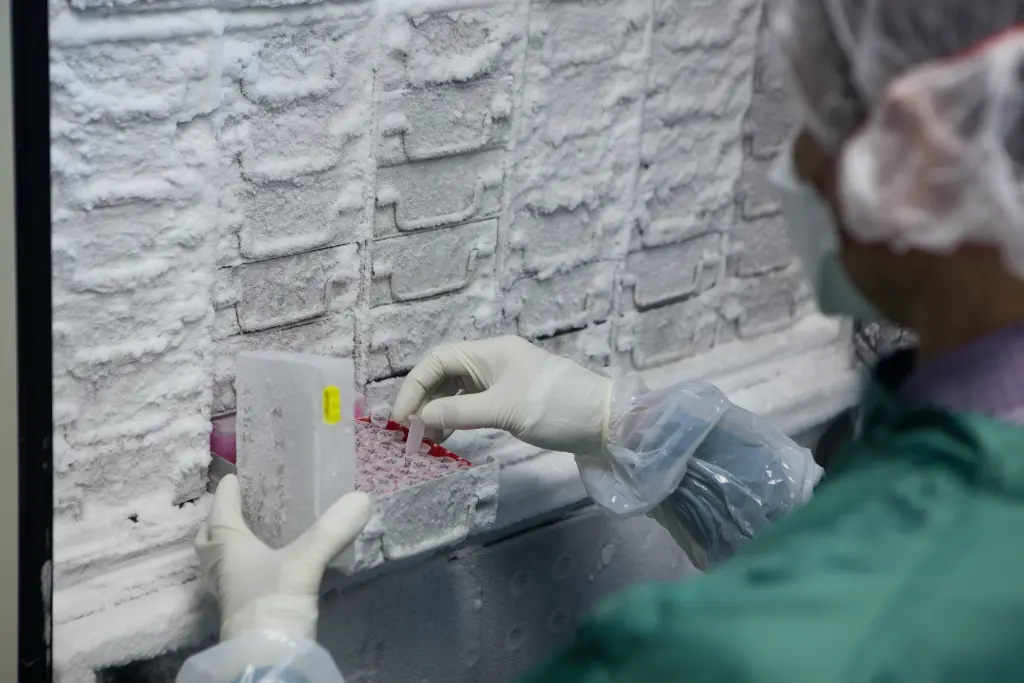
When Conditions Drift, Results Become Questionable
Freezers, incubators, cold rooms, and controlled storage systems are designed to maintain conditions — not to explain what happens when those conditions slowly change.
By the time anomalies appear in experimental outcomes, the window for corrective action has already closed.
Where Monitoring Protects Scientific Value
Biorepository Monitoring
- Continuous temperature and humidity visibility
- Early signs of freezer or incubator performance degradation
- Event-based alerts aligned with sample risk thresholds
- Environmental history to support sample viability decisions
Biobank & Long-Term Sample Storage
- Multi-point monitoring across storage zones and units
- Traceable environmental records per freezer or room
- Evidence-ready data for audits, studies, and collaborations
- Reduced uncertainty during sample retrieval and reuse
From Environmental Signals to Research Confidence
Monitoring alone does not protect research.
Understanding does.
By connecting sensor data with laboratory context,
teams gain confidence in sample integrity,
result reproducibility, and long-term research value.
Protect the Foundation of Your Research
Let's design a monitoring approach that reflects how your laboratory actually operates — and the risks that matter most to your work.